
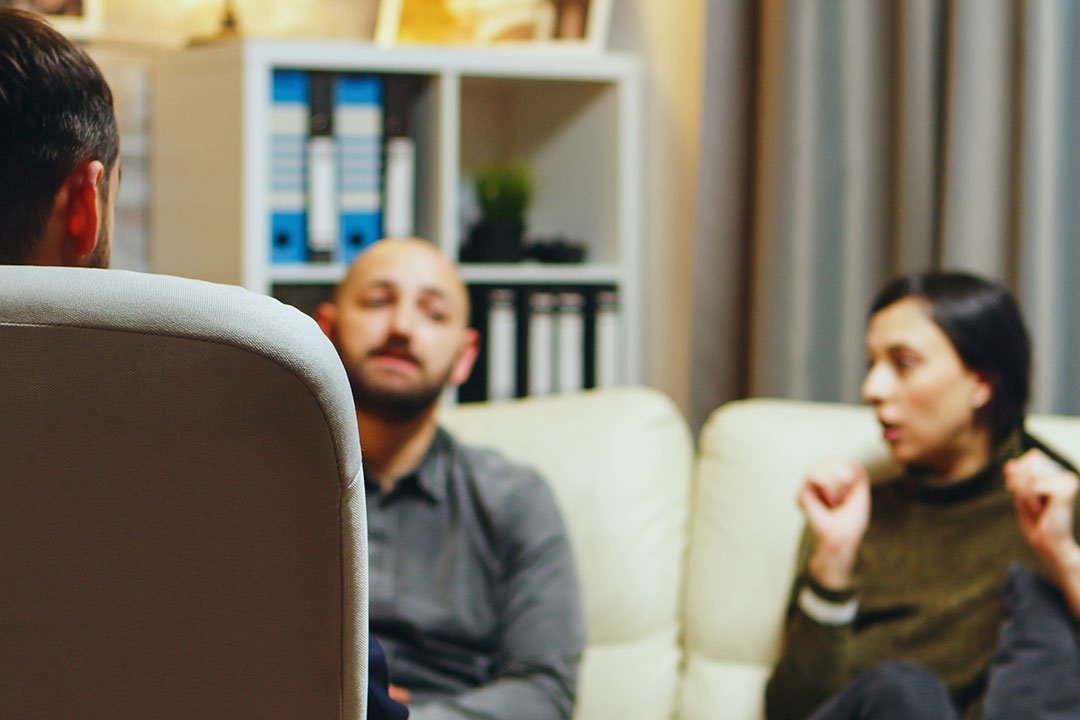
Many couples wait until things feel close to breaking point before reaching out for help. In reality, couples counselling can be useful at many stages of a relationship, whether you are facing a specific crisis or simply feel you have drifted apart.
Signs couples counselling could help
- The same arguments keep coming back and never seem to be resolved.
- You find it hard to talk without it turning into conflict, or you have stopped talking about important things altogether.
- Trust has been damaged, for example after an affair.
- A big life change, such as a new baby, a move, illness or a bereavement, has put pressure on your relationship.
- You feel more like flatmates than partners, or intimacy has changed.
- You are unsure whether to stay together and want space to think it through.
What happens in couples counselling?
Sessions are usually attended together and last around 50 to 60 minutes. The counsellor does not take sides. Their role is to create a safe, neutral space where both of you can be heard, to help you notice the patterns you get caught in, and to support you to communicate more openly.
What can couples counselling achieve?
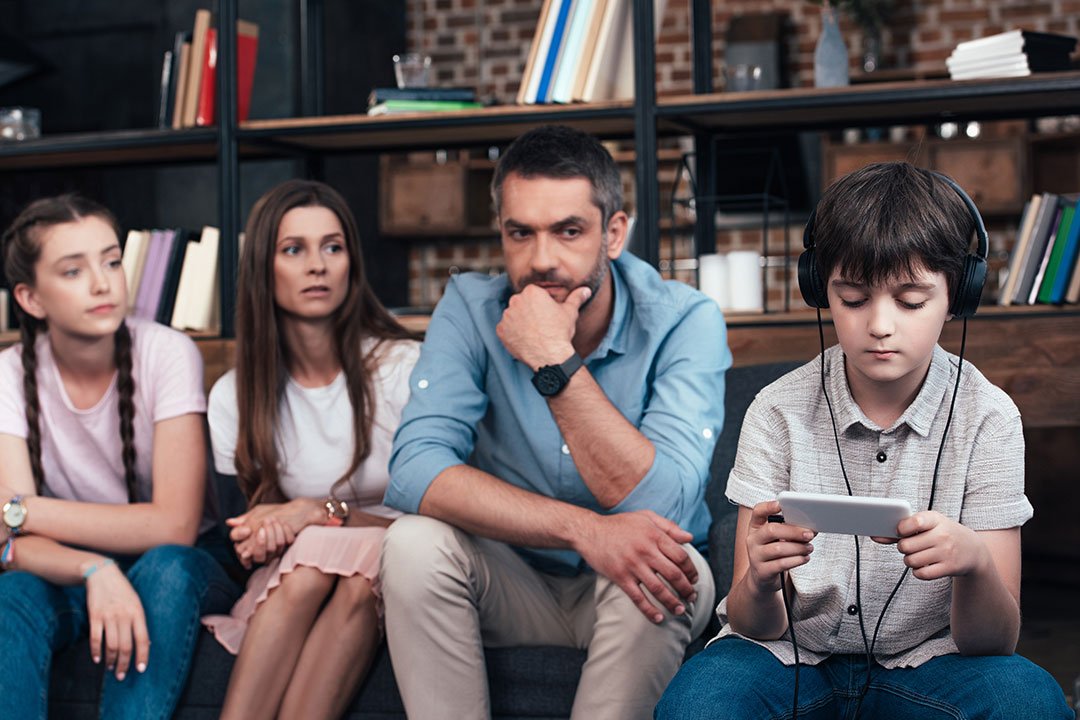
Outcomes are different for every couple. Many people find they understand each other better, argue less destructively and feel closer. For others, counselling helps them separate in a more respectful way, which can be especially important when children are involved.
Does my partner need to come?
Couples counselling works best when both partners attend, but if your partner is not ready, individual counselling can still help you think about the relationship and what you want.
Couples counselling in Dalston and online
Find out more about couples counselling and family therapy and systemic practice at Hackney Therapy House, or browse our therapists to find a relationship specialist. Several of our practitioners also offer LGBTQI+ affirmative therapy.